Epstein Files Exposed: Shocking Links to Bill Gates Revealed
Unveiling the Epstein Files: Disturbing Connections to Bill Gates and Pandemic-Style Simulations
The newly released Epstein files have exposed unsettling links between Jeffrey Epstein and several high-profile individuals, including Bill Gates, along with references to pandemic-style simulations and preparations for global emergencies. These recently disclosed documents have not only deepened the intrigue surrounding Epstein’s extensive network but have also sparked widespread discussion about the overlap between powerful elites, global health initiatives, and crisis management strategies.
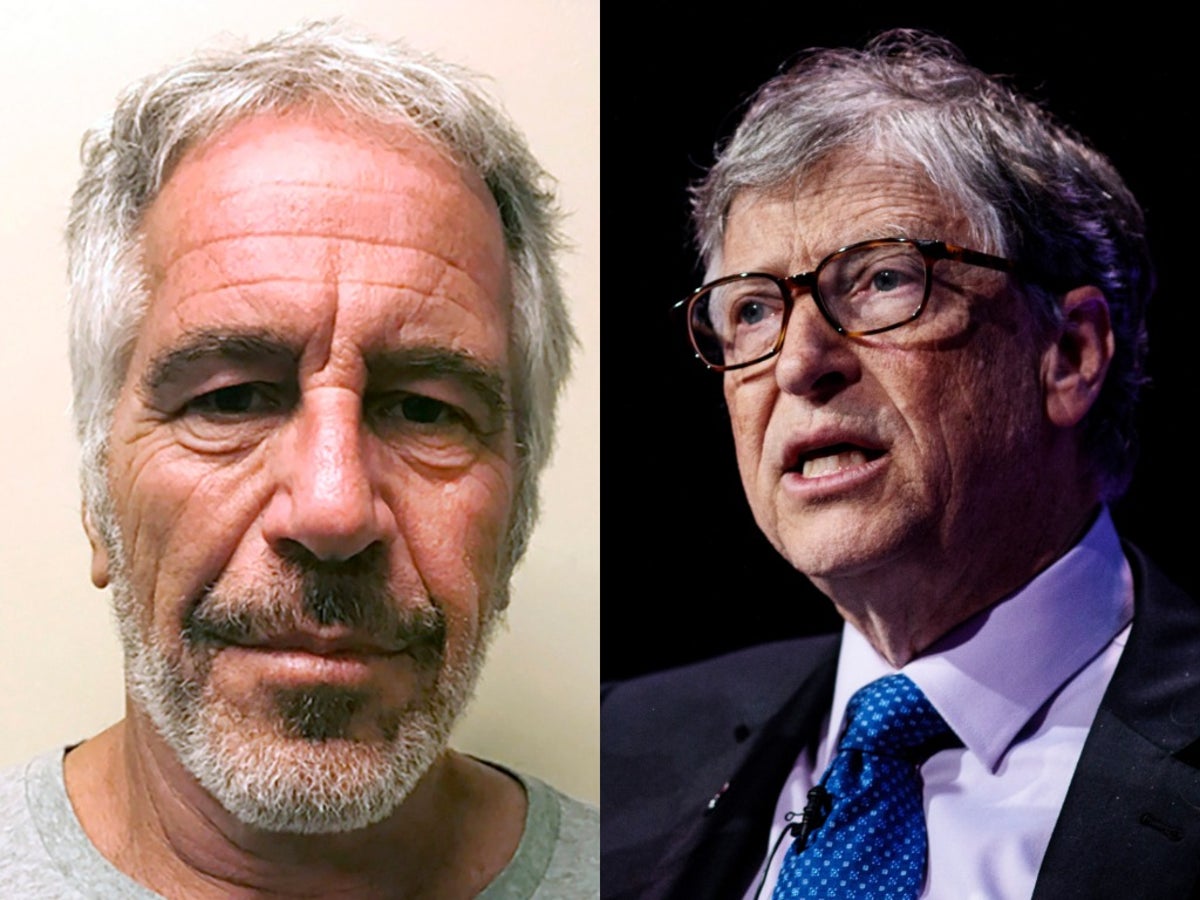
Epstein’s Network and High-Profile Associations
Jeffrey Epstein’s name had long been synonymous with scandal and secrecy, but the newly surfaced files provide a much broader glimpse into the web of relationships he maintained. Among those mentioned is Bill Gates, a figure well known for his transformative work in technology and later global health philanthropy through the Bill & Melinda Gates Foundation. The files suggest that Gates had some form of contact or association with Epstein, a revelation that has fueled vigorous debate considering Epstein’s criminal history and controversial social ties.
These documents detail meetings, communications, and possible collaborations that, until now, remained hidden from public scrutiny. While explicit evidence of wrongdoing by Gates has not emerged from the files, the association alone has reignited questions about judgment and the potential for influence exerted via these elite networks.
Pandemic-Style Simulations: A Forewarning?
One of the most chilling aspects revealed in the Epstein files is the presence of discussions and exercises resembling pandemic preparedness scenarios. Some sessions, according to the documents, involved detailed simulations and conversations about global health crises, strategies to manage widespread outbreaks, and the deployment of emergency responses. Remarkably, these discussions parallel many protocols and responses that were carried out worldwide during the COVID-19 pandemic.
This connection raises profound concerns about the extent to which Epstein and his circle may have been privy to—or even influencing—the modeling of global health emergencies years before the actual events unfolded. Experts argue that insights from such simulations typically involve top scientists, public health officials, and policymakers, so discovering Epstein’s involvement suggests an unusual intersection of criminal networks with the highest levels of crisis planning.
Bill Gates and Global Health: A Controversial Intersection
Bill Gates’ involvement in global health efforts has made him a pivotal actor in worldwide pandemic response initiatives—ranging from vaccine development to funding health systems in vulnerable regions. The Epstein files’ mention of Gates, coupled with references to pandemic simulations, has sparked a wave of speculation and conspiracy theories, often conflating legitimate health philanthropy with sinister intent.
It is essential to approach these claims critically and distinguish between Gates’ well-documented philanthropic goals and the troubling associations revealed by the Epstein files. While some observers draw connections between their initiatives and Epstein’s network, there remains no concrete proof that Gates’ global health work was directly influenced or manipulated by these relationships.
Nevertheless, the files underscore the complex nature of influence and power in global decision-making arenas. They highlight how personal, financial, and social ties can intersect with public health and policy in ways not fully understood or transparent to the public.
Renewed Scrutiny on Elite Influence in Crisis Planning
The unfolding revelations prompt a crucial question: How much control do powerful figures truly have over global health policies and emergency preparedness? Epstein’s involvement in pandemic-style simulations, especially alongside globally recognized individuals, intensifies the scrutiny on how decisions surrounding health crises are made and who is involved in shaping them.
While many experts agree that collaboration among leaders from various domains is necessary for effective crisis management, the Epstein files cast a shadow over the openness and ethics of such collaboration. They point to the potential risks of opaque networks influencing critical global policies without adequate accountability or oversight.
The Path Forward: Transparency and Accountability
The recent disclosures call for a renewed commitment to transparency in the governance of global health affairs and emergency preparedness. Governments, international organizations, and philanthropic entities alike must ensure that the channels through which decisions are made remain open to scrutiny and free from undue influence stemming from compromised associations.
Moreover, the public deserves clarity about the nature and extent of interactions between influential figures like Bill Gates and individuals such as Epstein, whose criminal background and misconduct raise serious ethical concerns. Strengthening mechanisms for accountability can help restore trust and ensure that global health policies serve the collective good, not narrow private interests.
Conclusion
The newly released Epstein files shine a stark light on the intersection of wealth, power, and global health, revealing unsettling connections that merit serious attention. With links to Bill Gates and references to pandemic-style simulations preceding the COVID-19 crisis, these documents compel us to re-examine the dynamics behind global emergency planning. While definitive conclusions require caution and further investigation, one fact remains clear: transparency, ethical conduct, and public oversight are more critical than ever in safeguarding the future of global health and security.