China Divorce Laws: Exclusive Changes Spark Fierce Debate
China’s Revised Divorce Laws and Their Impact on Property Rights in Marriage
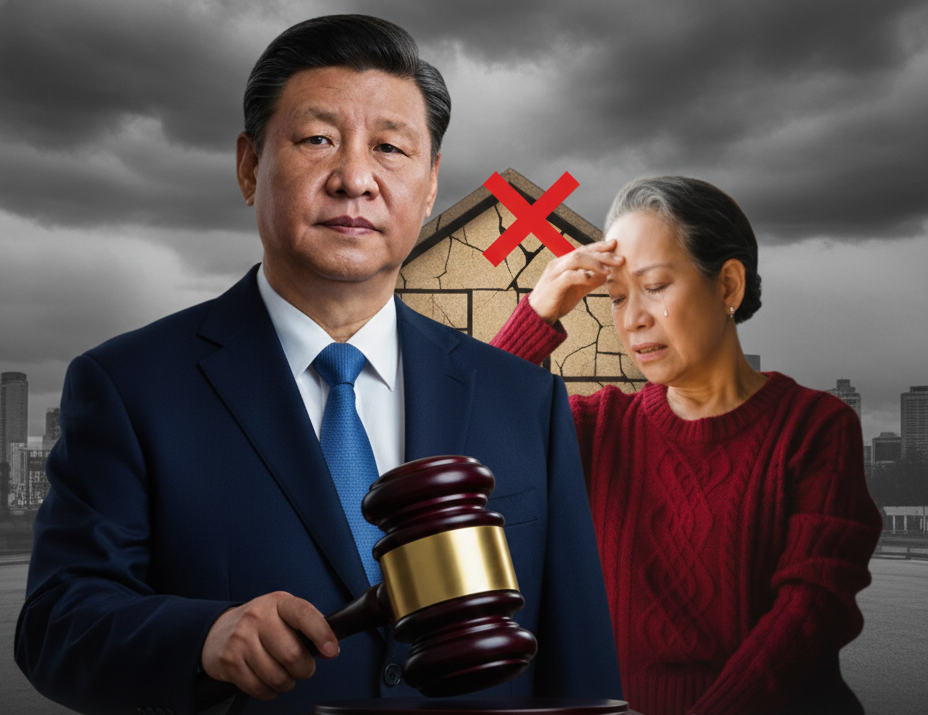
China has revised its divorce laws to restrict a spouse’s ability to claim property titled only in their partner’s name, even after long marriages. This significant legal change has sparked a vigorous public debate, highlighting the delicate balance between protecting individual property rights and ensuring fairness within marital relationships. The ramifications of these revisions are complex, touching on issues of gender equality, career sacrifices, and the evolving understanding of marital property ownership in Chinese society.
Understanding the New Divorce Laws in China
The revised divorce laws in China specifically target the conditions under which a spouse can claim ownership or share of property that is legally registered exclusively under the other spouse’s name. Previously, many spouses—often wives—could claim an equitable share of marital property, even if the assets were only titled in the husband’s name. This was perceived as a way to protect spouses who contributed to the marriage in non-financial ways, such as managing the household or sacrificing their careers to support family life.
Under the new regulations, however, a spouse’s ability to claim such property is more limited. If a property is solely in one person’s name, the other spouse may now find it harder to prove a legal claim, regardless of the length of the marriage or their non-monetary contributions. This shift aims to clarify ownership rules and discourage disputes over assets on divorce, but it also raises concerns about fairness and the protection of vulnerable partners.
Public Debate: The Impact on Women and Families
A central point in the debate concerns the potential uneven impact of these revised laws on women. Traditionally, women in China have often made significant sacrifices within marriage—deprioritizing or pausing their careers, managing childcare, and contributing to the household in ways that aren’t financially compensated. Under the former legal framework, these non-monetary contributions were indirectly valued through shared property rights upon divorce.
Critics argue that the new restrictions could leave many women economically disadvantaged after divorce. Without legal claims to property solely in their partner’s name, women who have sacrificed career advancement for the family may face financial insecurity. Advocates for women’s rights emphasize that these laws could deepen gender disparities and call for additional legal protections or social support systems to address this issue.
On the other side, supporters of the reforms argue that the revised laws provide greater legal clarity and reduce the complexity of property disputes. Clearer rules on ownership can speed up divorce proceedings and reduce protracted legal battles. From this perspective, the reforms encourage couples to manage assets transparently during marriage, and help prevent one party from unfairly exploiting ambiguous ownership claims.
The Broader Social and Legal Context
China’s changes to divorce property laws reflect broader societal shifts. As Chinese families become more nuclear and urban lifestyles alter traditional roles, the legal system is adapting to new family structures and economic realities. Increasingly, both spouses may have separate incomes and assets, prompting the need for clearer delineation of ownership rights.
At the same time, China faces ongoing challenges related to gender equality. Despite rapid economic development, traditional expectations about women’s roles in family and career persist, influencing legal outcomes in family law cases. The tension surrounding the new divorce laws illustrates the intersection between evolving legal principles and deeply rooted social norms.
What This Means for Couples Going Forward
For couples in China contemplating marriage or divorce, the new rules make it essential to have transparent financial arrangements. Joint property ownership and formal agreements may become more common, as spouses seek to protect mutual interests. Legal advice and clear documentation of asset ownership will be critical.
Moreover, the reforms highlight the importance of balancing legal technicalities with fairness. While title ownership provides a straightforward legal benchmark, the law may need to consider how to better protect non-financial contributions within marriage, possibly through spousal support or compensation frameworks.
Conclusion
China’s revision of divorce laws restricting claims to property titled solely in one spouse’s name marks an important legal shift that has ignited widespread discussion. While it brings needed clarity to property ownership, it simultaneously raises concerns about fairness, especially for women who have prioritized family over personal career growth. As this legal landscape evolves, ongoing dialogue and possibly further legal refinements will be needed to ensure that marital property laws serve both justice and social equity in an increasingly modern China.