Sweden Education Reform: Stunning Shift to Traditional Teaching
Sweden’s Return to Printed Textbooks and Handwriting Sparks Global Education Debate
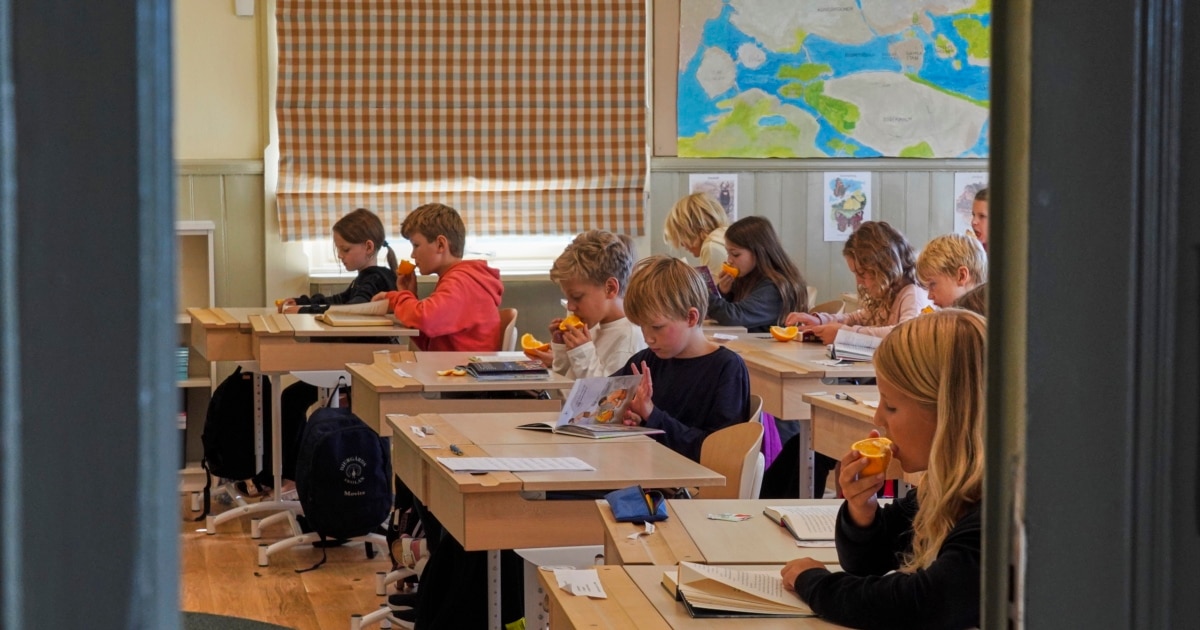
Sweden is drawing international attention after deciding to reintroduce more printed textbooks, handwriting practice, and traditional teaching approaches in its classrooms. This shift comes after years of heavy reliance on digital devices, during which educators noticed worrying trends: declining reading comprehension, shorter attention spans, and weaker mastery of core skills among younger students. As a result, education leaders in Sweden have begun reassessing how technology is integrated into daily learning and seeking a more balanced approach that blends the best of both worlds.
The Challenges of Excessive Screen Use in Education
The rise of digital technology in education brought many anticipated benefits, such as instant access to information, interactive tools, and personalized learning experiences. However, Sweden’s experience highlights some unintended consequences of an over-dependence on screens. Teachers observed that when students spend too much time reading on digital devices, their comprehension skills tended to weaken. Additionally, constant screen exposure appeared to contribute to attention difficulties, making it harder for students to concentrate deeply on lessons.
Beyond these behavioral concerns, cognitive research has provided further insight. Studies suggest that printed materials promote stronger memory retention and a deeper understanding of content compared to reading on screens. This is thought to be due to the tactile experience of interacting with paper—the turning of pages, note-taking by hand, and the spatial orientation of text on a physical page. Such sensory engagement seems to enhance how information is processed and stored by the brain.
Why Handwriting Practice Matters for Cognitive Development
Sweden’s renewed emphasis on handwriting is also rooted in neuroscience and educational psychology. Writing by hand is not simply a mechanical task; it activates multiple brain regions involved in learning, language, and fine motor skills. When children write letters and words manually, they engage in complex cognitive processes that support memory and knowledge retention. This multisensory experience can cement understanding far more effectively than typing or tapping on a device.
Moreover, handwriting has been linked to improved literacy outcomes, such as better spelling and grammar. It encourages slow, deliberate processing, enabling students to internalize language structures and form connections between sounds, symbols, and meanings. Sweden’s decision to revive handwriting exercises reflects an effort to nurture these foundational skills essential for lifelong learning.
Balancing Technology and Traditional Teaching Approaches
Importantly, Sweden’s move is not a rejection of digital tools. Instead, it aims to rebalance how technology complements rather than overshadows core educational practices. Digital devices remain valuable for accessing resources, fostering creativity, and offering diverse learning options. The key is to integrate these tools in ways that enhance critical cognitive processes rather than replace them.
This balanced approach includes combining printed textbooks and handwriting practice with appropriate digital use. For example, students might study foundational concepts through print materials to build comprehension and memory, then apply those concepts interactively on screens. Teachers can guide learners to be mindful of when and how to use devices effectively, ensuring technology supports rather than detracts from deep learning.
Global Implications: Rethinking Education in the Digital Age
Sweden’s education reform has sparked a broader international conversation on how schools worldwide can best blend innovation with time-tested teaching strategies. The lessons from Sweden suggest that while technology is an essential element of modern education, it should not overshadow essential cognitive practices like reading on paper and writing by hand. Striking this balance could help students develop stronger literacy, attention, and critical thinking skills—foundations necessary for academic and lifelong success.
As educators face the challenges of teaching in an increasingly digital world, Sweden’s experience underscores the importance of not losing sight of traditional methods that nurture brain development and learning durability. By thoughtfully blending old and new approaches, schools can create learning environments that truly enhance student focus, memory, and achievement.
Conclusion
Sweden’s reintroduction of printed textbooks and handwriting practice is a valuable reminder of the power of traditional educational methods in an age dominated by screens. This shift aims to protect and strengthen core cognitive skills among young learners, ensuring that technology serves as a tool for enrichment rather than replacement. The global education community is watching closely as Sweden leads the way in seeking a healthier, more balanced learning landscape—one that embraces both innovation and the enduring benefits of paper, pen, and focused attention.
#EducationReform #BackToBooks #LearningBalance #CognitiveDevelopment #StudentFocus