Glyphosate Debate: Must-Have Facts on Its Controversial Future
The Growing Debate Around Glyphosate in U.S. Food Production
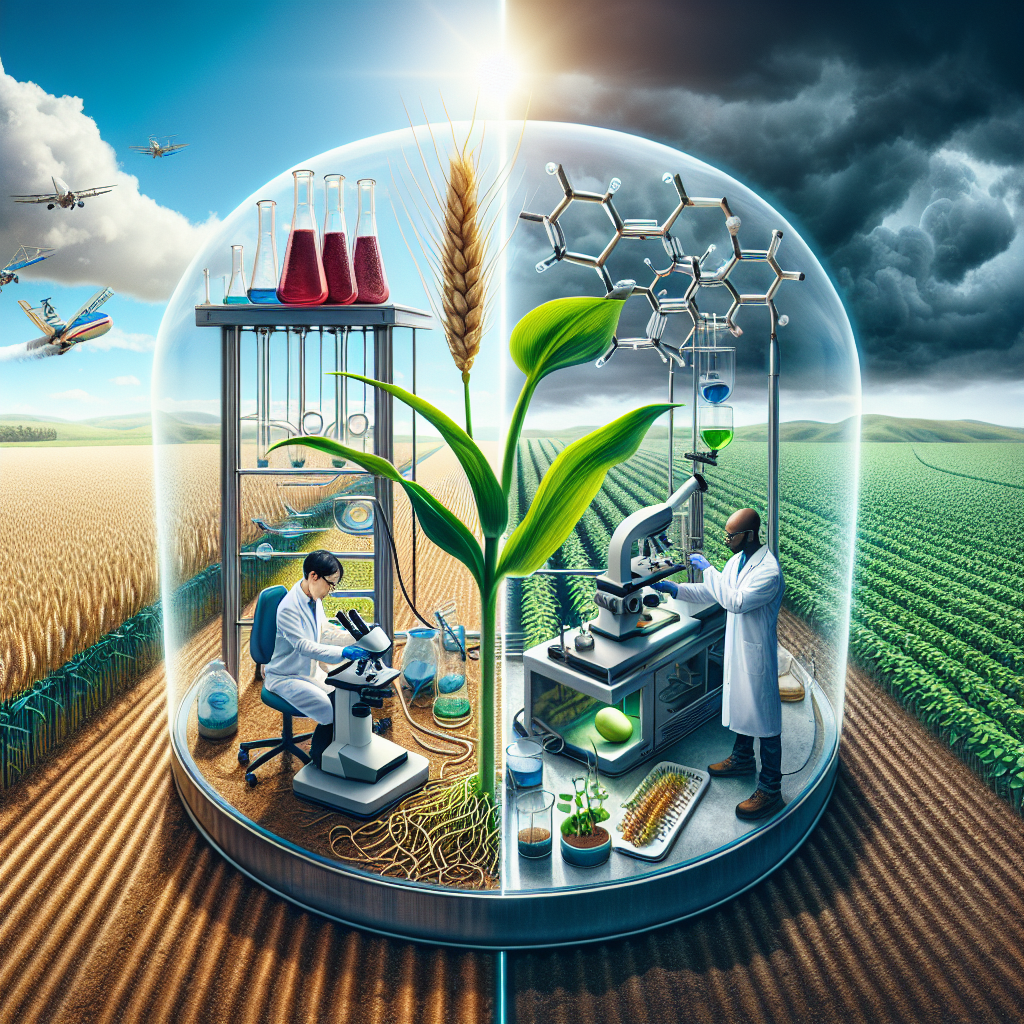
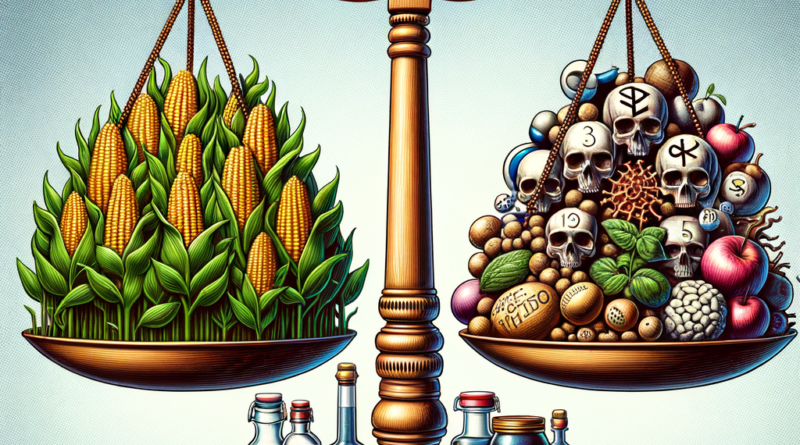
A growing debate is unfolding around glyphosate, one of the most widely used herbicides in modern agriculture, and its role in U.S. food production. This controversy encompasses a range of concerns, including potential health risks, environmental impact, and the economic realities of farming practices. As the conversation intensifies, it reflects broader questions about sustainability, food safety, and the future direction of agriculture in the United States.
Why Glyphosate Has Become Central to Modern Agriculture
Glyphosate is prized for its effectiveness in controlling weeds, which compete with crops for nutrients, water, and sunlight. Its introduction revolutionized farming, allowing for more efficient large-scale crop production. Farmers particularly value glyphosate because it helps reduce labor and fuel costs associated with mechanical weed control, and it boosts yields by minimizing crop losses to invasive plants.
The herbicide’s widespread use is largely tied to the development of genetically modified (GM) crops that are glyphosate-resistant. These crops allow farmers to apply the herbicide directly over growing plants without damaging them, simplifying how weeds are managed on vast acreages of corn, soybeans, cotton, and other staples. For many growers, glyphosate is an indispensable tool in their arsenal against persistent weeds.
Health and Environmental Concerns Fueling the Debate
Despite its popularity, glyphosate has been a lightning rod for controversy. Public figures like Robert F. Kennedy Jr. have brought renewed attention to potential health consequences, particularly concerns about links to cancer. Several studies and high-profile legal cases have suggested a possible association between glyphosate exposure and non-Hodgkin lymphoma, sparking fears over long-term safety.
Against this backdrop, major regulatory bodies such as the U.S. Environmental Protection Agency (EPA) continue to uphold glyphosate’s safety when used as directed, citing extensive reviews of toxicology data. Nonetheless, competing scientific interpretations and the complexity of chemical risk assessment have created a patchwork of opinions that confound consumers and policymakers alike.
Environmental concerns also remain prominent. Critics argue that heavy glyphosate use contributes to biodiversity loss, as it can reduce the availability of native plants critical for wildlife. Additionally, repeated glyphosate application may harm soil health by disrupting microbial communities essential for nutrient cycling. There’s also worry about chemical runoff contaminating water systems, potentially affecting aquatic life and drinking water quality.
The Economic Stakes of Maintaining Glyphosate Use
Farmers who depend on glyphosate for efficient weed control emphasize the practical challenges that a ban or severe restrictions would pose. Without this herbicide, many worry that crop yields would decline due to difficult-to-manage weed pressures, directly impacting farm incomes and food supply stability.
Alternative weed control strategies often involve higher costs, such as more frequent mechanical tilling or the use of multiple herbicides that may not be as effective or as environmentally benign. This could translate into higher food prices for consumers and reduce the competitiveness of U.S. agriculture globally.
Supporters of glyphosate argue that until viable, cost-effective replacements are developed, maintaining its availability is critical to ensuring food security and economic sustainability in farming communities.
Toward a More Sustainable Agricultural Future
The glyphosate debate is more than just a question of safety profiles or economic impacts; it reflects a growing call for transformation in the way food is produced. Many advocates suggest the controversy reveals the risks of relying too heavily on synthetic chemicals and monoculture farming systems.
Sustainable agriculture practices—such as crop rotation, cover cropping, integrated pest management, and organic farming—are presented as alternatives that could reduce dependency on herbicides while promoting biodiversity and soil vitality. However, scaling these practices to meet global food demands remains a complex undertaking.
Policymakers face a difficult balancing act. Decisions surrounding glyphosate use must consider evolving scientific evidence, the economic realities faced by farmers, and public demands for transparency and environmental stewardship. Ongoing research is vital to clarify unresolved health questions and to innovate safer, effective weed control methods.
Conclusion: Navigating Complexity in Agriculture’s Future
The conversation around glyphosate underscores the intricate intersections between science, economics, public health, and environmental ethics in modern agriculture. With influential voices raising alarms and regulatory bodies providing cautious assurance, the debate is emblematic of larger societal questions about how food is grown and who gets to decide.
As this dialogue continues to unfold, it will shape not only the fate of glyphosate in the United States but also the broader trajectory of farming practices. Striking the right balance will require collaboration across farmers, scientists, regulators, and the public—working together toward an agricultural system that safeguards health, preserves the environment, and sustains food production for generations to come.