
Enhanced Games: Exclusive New Era of Effortless Athletic Power
Imagine an Olympics with no banned substances, where athletes are free to use any performance-enhancing drugs they choose. This isn’t a futuristic fantasy or a plot from a sci-fi novel—it’s a bold new initiative known as the “Enhanced Games.” Supported by billionaire investors and a roster of high-profile athletes, the project aims to challenge the traditional Olympic model and redefine the boundaries of human performance.
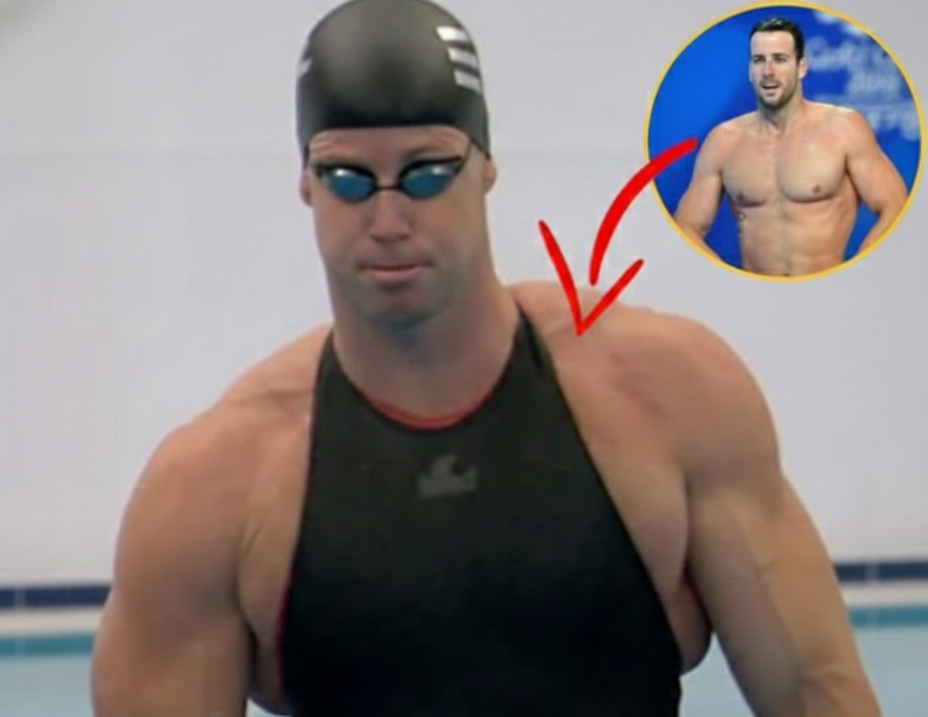
The Vision Behind the Enhanced Games
The creators of the Enhanced Games argue that the current Olympic system is fundamentally flawed. Despite the massive global popularity of the Games and billions in generated revenue, many elite athletes struggle financially. In countries like the United States, where Olympic athletes often don’t receive direct salaries, many are forced to maintain side jobs just to fund their training, travel, and living expenses.
Moreover, one of the most controversial topics in sport—doping—remains pervasive behind the scenes. The official testing regimes catch only a fraction of athletes who use performance-enhancing drugs (PEDs), leaving a shadowy world of undisclosed doping. The Enhanced Games’ proponents contend that doping is inevitable. Rather than perpetuating a costly, ineffective and secretive cat-and-mouse game, why not bring it into the open?
Embracing Enhancement: Transparency and Innovation
In this new competition format, athletes would have the freedom to use the latest pharmacological, genetic, and biotechnological enhancements to push human limits. The idea is simple: if these substances and technologies help performance and favor innovation, athletes should be allowed to benefit openly. This could foster a new era of transparency where the achievements of enhanced athletes are recognized without stigma.
One of the most striking promises of the Enhanced Games is the financial incentive. Unlike traditional Olympic medals, which come with modest pay—around $37,500 for a U.S. gold medalist—the Enhanced Games plans to award $1 million for every world record broken. This seismic shift could attract elite competitors hungry not only for glory but for substantial monetary rewards.
James Magnussen: The Face of a New Era
Former world champion swimmer James Magnussen has publicly aligned himself with this vision. Known for his incredible speed in the 50-meter freestyle, Magnussen has declared his intent to heavily enhance his performance to break world records at the Enhanced Games. His openness about using cutting-edge science and substances marks a stark contrast to the secrecy and stigma currently surrounding drug use in sports.
Magnussen’s involvement lends credibility to the project and highlights a crucial question: why would athletes take the risks associated with performance enhancers? The answer lies in the dramatic difference in rewards. The possibility of redefining human athletic limits with appropriate compensation is a compelling lure.
The Controversy: Ethics, Safety, and Sporting Integrity
Supporters of the Enhanced Games frame the idea as a revolution in sport—prioritizing honesty, progress, and fair compensation. By legalizing enhancements, athletes could train and compete on a level playing field where everyone understands the rules. Furthermore, the scientific community might finally study the effects of performance enhancements more safely and systematically.
However, critics have voiced strong concerns. They warn that removing bans on performance-enhancing drugs is dangerous and ethically reckless. The long-term health implications for athletes subjected to heavy pharmacological enhancements are not fully understood and may pose significant risks. There are profound questions about what fairness means in sport if some athletes have access to technology or drugs that others cannot afford or tolerate.
Moreover, some argue that this concept undermines the spirit of human competition as traditionally understood. The essence of the Olympics has been about natural ability, hard work, and mental toughness. By introducing chemical and technological enhancements, are we losing the purity of athletic achievement?
What Could This Mean for the Future of Sports?
If the Enhanced Games launch and gain traction, the implications for how we view athletic performance could be seismic. The line between human ability and technological intervention would blur. Records might fall at unprecedented rates, and the spectacle of competition could change dramatically.
Would such games attract a new audience looking for cutting-edge thrilling performances? Or would traditional fans reject this new paradigm as unnatural? Only time will tell.
What’s clear is that the Enhanced Games ignite a crucial debate around science, ethics, and the future of sport. As high-performance sports continue to evolve with advances in medicine and technology, we must confront tough questions about fairness, safety, and the true meaning of excellence.
Would You Watch?
The concept of an Olympics with no banned substances challenges long-held traditions and opens a Pandora’s box of possibilities and dilemmas. If given the choice, would you tune in to watch athletes push human limits unrestricted, or prefer the clean, raw competition of the original Games?
The Enhanced Games are not just a sports event—they are a cultural experiment testing humanity’s appetite for innovation, risk, and progress in the arena of human achievement. Whatever your viewpoint, it’s a conversation that demands attention as we chart the next frontier in performance and athletic glory.