Kubrick Death Conspiracy: Shocking Theories Behind Eyes Wide Shut
Claims have circulated online suggesting that Stanley Kubrick did not die of a heart attack but was killed shortly after completing Eyes Wide Shut. This theory has intrigued conspiracy enthusiasts and film buffs alike, largely due to the movie’s enigmatic content and Kubrick’s reputation as a meticulous and enigmatic filmmaker. Supporters argue that the film’s depiction of masked elites, secret passwords, and ritualistic gatherings strikingly resembles the types of parties later associated with Jeffrey Epstein. In this article, we’ll explore the origins and details of these claims, examine the connections drawn between Kubrick’s last film and Epstein’s scandal, and consider the evidence — or lack thereof — behind these theories.
The Basis of the Stanley Kubrick Conspiracy Theory
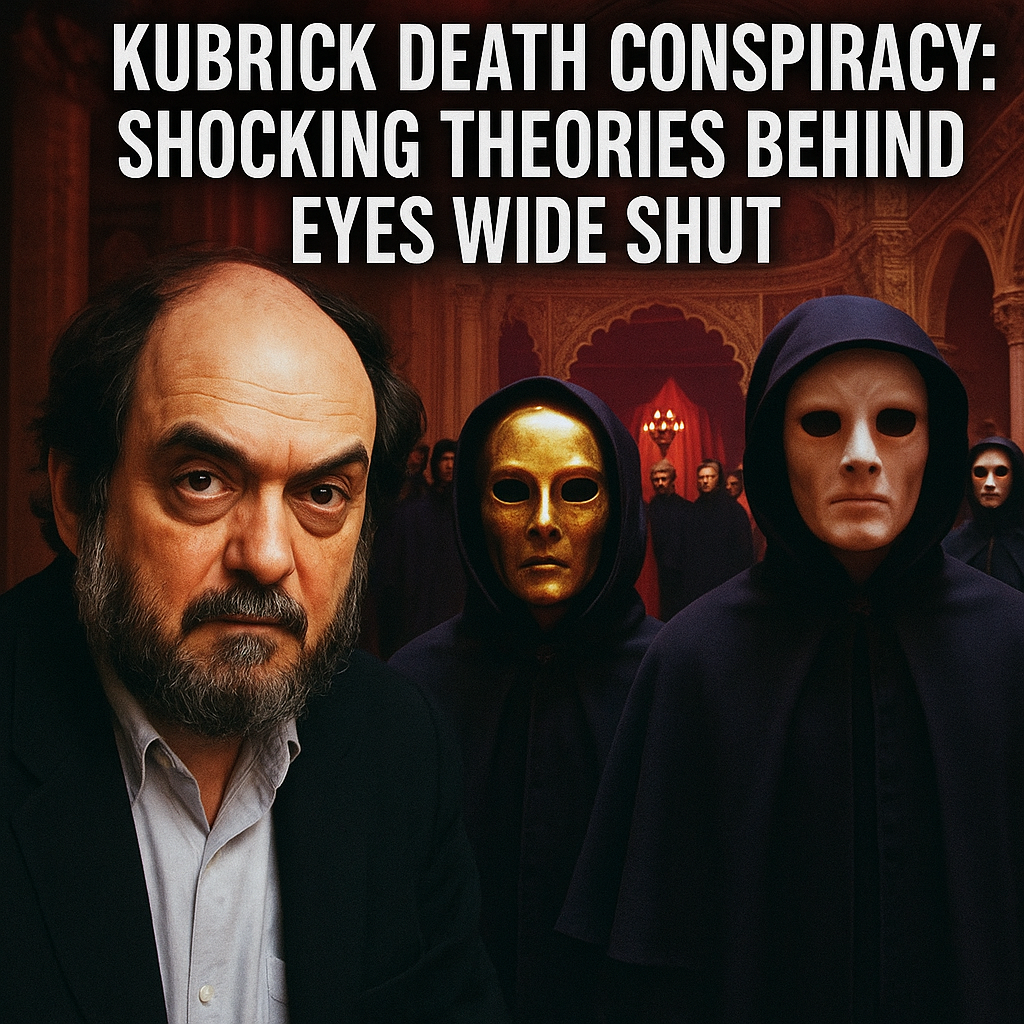
Kubrick’s Eyes Wide Shut, released in 1999, was his final film. It is a psychological drama full of dreamlike sequences and cryptic symbolism. The movie revolves around a mysterious and exclusive masked ceremony attended by characters from the upper echelons of society. This scene, featuring robes, blindfolds, and secretive behavior, is often cited by conspiracy theorists as resembling real-life elite gatherings.
Proponents of the theory suggest that Kubrick had insider knowledge of these secretive worlds, which was reflected in his film’s disturbing portrayal of clandestine elite rituals. They argue that this was not mere fiction but based on actual events and that Kubrick’s detailed depiction went beyond artistic license into exposé territory.
Parallels Between Eyes Wide Shut and Jeffrey Epstein’s Circle
One of the most compelling reasons these conspiracy theories persist is the resemblance between the film’s ritualistic party scenes and the real-life parties and gatherings exposed in Jeffrey Epstein’s social circles. Epstein, a financier convicted of sex offenses, was known for hosting lavish, secretive parties attended by powerful figures, sometimes at private estates linked to elite families such as the Rothschilds.
Kubrick’s scenes of masked elites chanting secret passwords and engaging in elusive ceremonies have been interpreted as artistic foreshadowing or direct commentary on these real-world events. The imagery of robes, blindfolds, and exclusivity mirrors accusations made in Epstein’s scandal, which involved allegations of ritualistic-like abuse and exploitation by wealthy individuals.
Allegedly Censored Footage and Kubrick’s Sudden Death
Another core component of this conspiracy theory is the claim that Kubrick had shot an additional 20-plus minutes of footage for Eyes Wide Shut that revealed identities of some of these elites involved in such secretive gatherings. According to these allegations, studio executives and powerful figures pressured Kubrick to excise this footage, fearing its exposure.
Conspiracy narratives take this further, asserting Kubrick died under suspicious circumstances just days after handing over the final cut of the film. Officially, Kubrick died of a heart attack in 1999, but theorists claim foul play was involved to suppress the truths Kubrick might have uncovered or revealed.
Critical Examination of the Claims
Despite its intrigue, it is important to emphasize that there is no verifiable evidence supporting these conspiratorial claims. Kubrick’s death was reported as natural causes; no official investigations suggested foul play. There have been no confirmed reports of additional footage being censored by studios, and the idea that the film is an exposé on Epstein-related gatherings is purely speculative.
Kubrick was known for his symbolic and sometimes provocative storytelling, drawing inspiration from literature, psychology, and his own artistic imagination. Eyes Wide Shut can be interpreted in many ways, including as a critique of power, sexual politics, and social masks rather than a literal depiction of real-world conspiracies.
Furthermore, linking Hollywood filmmakers directly to political and criminal power structures like Epstein’s simply on thematic resemblance risks conflating fiction and reality without evidence.
Conclusion: Separating Fact from Fiction
The claims that Stanley Kubrick was killed shortly after completing Eyes Wide Shut because of its alleged exposure of elite ritualistic abuses remain firmly in the realm of unproven conspiracy theories. While the film’s themes resonate with some of the disturbing realities uncovered by the Epstein scandal years later, drawing a direct and causal connection is speculative at best.
This conspiracy narrative highlights broader societal anxieties about secrecy, power, and elite corruption, showing how art and real-world events can intersect in public imagination. However, critical thinking and reliance on verified facts are essential when exploring such claims.
Stanley Kubrick’s Eyes Wide Shut continues to be a fascinating piece of cinema that invites multiple interpretations, but there is no credible evidence to support the theory that Kubrick’s death was anything but natural or that his film was a deliberate exposé that led to a conspiratorial cover-up. The allure of these claims lies in their mystery and complexity, but they should be approached with a healthy dose of skepticism.