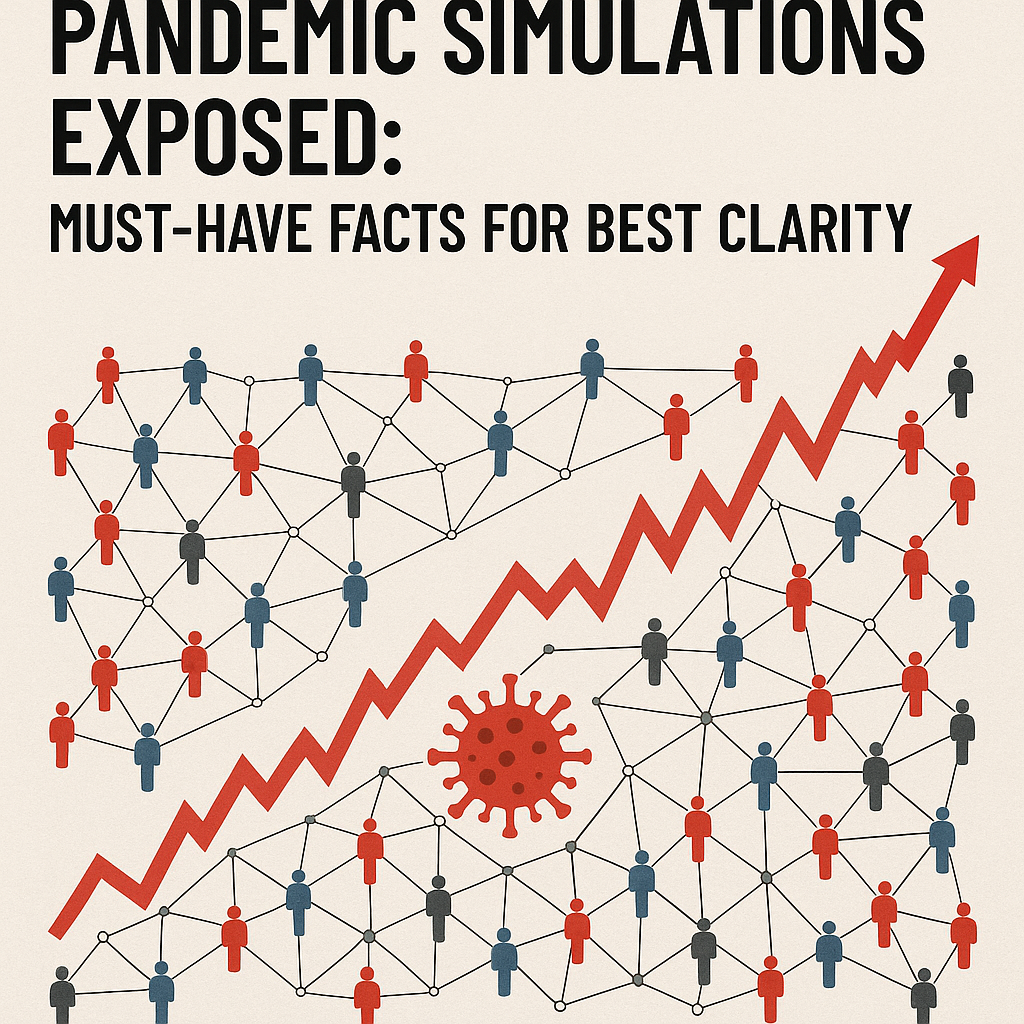
Pandemic Simulations Exposed: Must-Have Facts for Best Clarity
Reports circulating online claim that newly released documents suggest Bill Gates and Jeffrey Epstein discussed “pandemic simulations” in 2017. This claim has sparked widespread speculation and concern, but it is crucial to examine the facts carefully before drawing conclusions. While it is true that public records confirm that Gates met with Epstein several times after Epstein’s earlier conviction, and Gates himself later acknowledged these meetings as a poor decision, there is no verified evidence indicating Epstein’s involvement in global pandemic preparedness planning.
Understanding the Context of the Gates-Epstein Meetings
Bill Gates, co-founder of Microsoft and a prominent philanthropist, has been deeply involved in global health initiatives for many years, mainly through the Bill & Melinda Gates Foundation. Jeffrey Epstein, on the other hand, was a convicted sex offender with a controversial and criminal past. Reports indicate the two met several times post-Epstein’s conviction, which Gates later termed a mistake in judgement.
However, it is important to separate personal interactions from alleged collaborations. The existence of meetings alone does not imply joint involvement in any specific projects or planning efforts. Without substantial evidence, assumptions about the nature of these discussions remain speculative.
Pandemic Simulation Exercises: What Are They?
Pandemic preparedness simulations are scenario-based exercises used by governments, universities, and public health organizations worldwide. These simulations are designed to model potential outbreak scenarios, helping stakeholders test and refine responses before a real crisis occurs.
Such exercises have been conducted long before the COVID-19 pandemic, notably in response to previous epidemics like SARS (Severe Acute Respiratory Syndrome), H1N1 influenza, and the Ebola virus. These events highlighted the importance of readiness, prompting regular pandemic simulation drills to improve surveillance, coordination, and response strategies.
These simulations involve a wide range of activities, including tabletop exercises, computer-based modeling, and full-scale emergency drills. The focus is on identifying gaps in healthcare infrastructure, testing communication protocols, and evaluating the effectiveness of interventions such as vaccinations and quarantine measures.
Why Pandemic Simulations Are Often Misunderstood
The claim that pandemic simulations indicate foreknowledge of a specific pandemic is a common misconception. Public health experts emphasize that preparedness exercises are routine planning tools rather than prophetic insights.
Pandemic modeling uses known scientific data and hypothetical scenarios to anticipate possible futures. This approach helps health systems build flexible, scalable responses to a variety of threats. Mistakenly viewing these simulations as evidence of secret knowledge fuels conspiracy theories and undermines public trust in science and health authorities.
The Importance of Fact-Checking and Media Literacy
With high-profile document leaks and sensational headlines, misinformation can easily spread across social media and news platforms. Independent verification and careful examination of primary sources are essential to understanding the truth about complex issues like pandemic preparedness and controversial figures.
Fact-checking organizations and public health experts consistently debunk unsupported claims linking Gates, Epstein, or other influential individuals to conspiracy theories about pandemics. These narratives distract from real challenges and solutions related to outbreak response and global health security.
The Real Role of Bill Gates in Pandemic Preparedness
Bill Gates has been a vocal advocate for improving global health infrastructure and epidemic preparedness. Through his philanthropic work, he has supported vaccine development, epidemic surveillance, and strengthening health systems—efforts aimed at reducing the impact of infectious diseases worldwide.
His involvement in pandemic simulations and health planning is transparent and well-documented by reputable sources, aligned with accepted practices in public health. The suggestion that Epstein influenced these activities lacks credible support and deviates from evidence-based analysis.
Conclusion: Staying Informed with Reliable Information
In summary, while it is factual that Bill Gates met with Jeffrey Epstein multiple times even after Epstein’s criminal conviction, there is no credible evidence linking Epstein to pandemic preparedness or simulations. Pandemic simulation exercises are standard procedures conducted globally well before the COVID-19 crisis to enhance readiness and response capabilities.
As public health experts caution, distinguishing between routine preparedness efforts and conspiracy theories is essential to maintaining trust and focus on real health threats. Approaching released documents with a critical eye, verifying facts, and promoting media literacy help ensure accurate understanding of complex issues affecting public health.
For continued updates on public health and verified news, follow trusted sources and prioritize fact-checking to dispel misinformation effectively.
#UnboxFactory #PublicHealth #FactCheck #PandemicPreparedness #MediaLiteracy